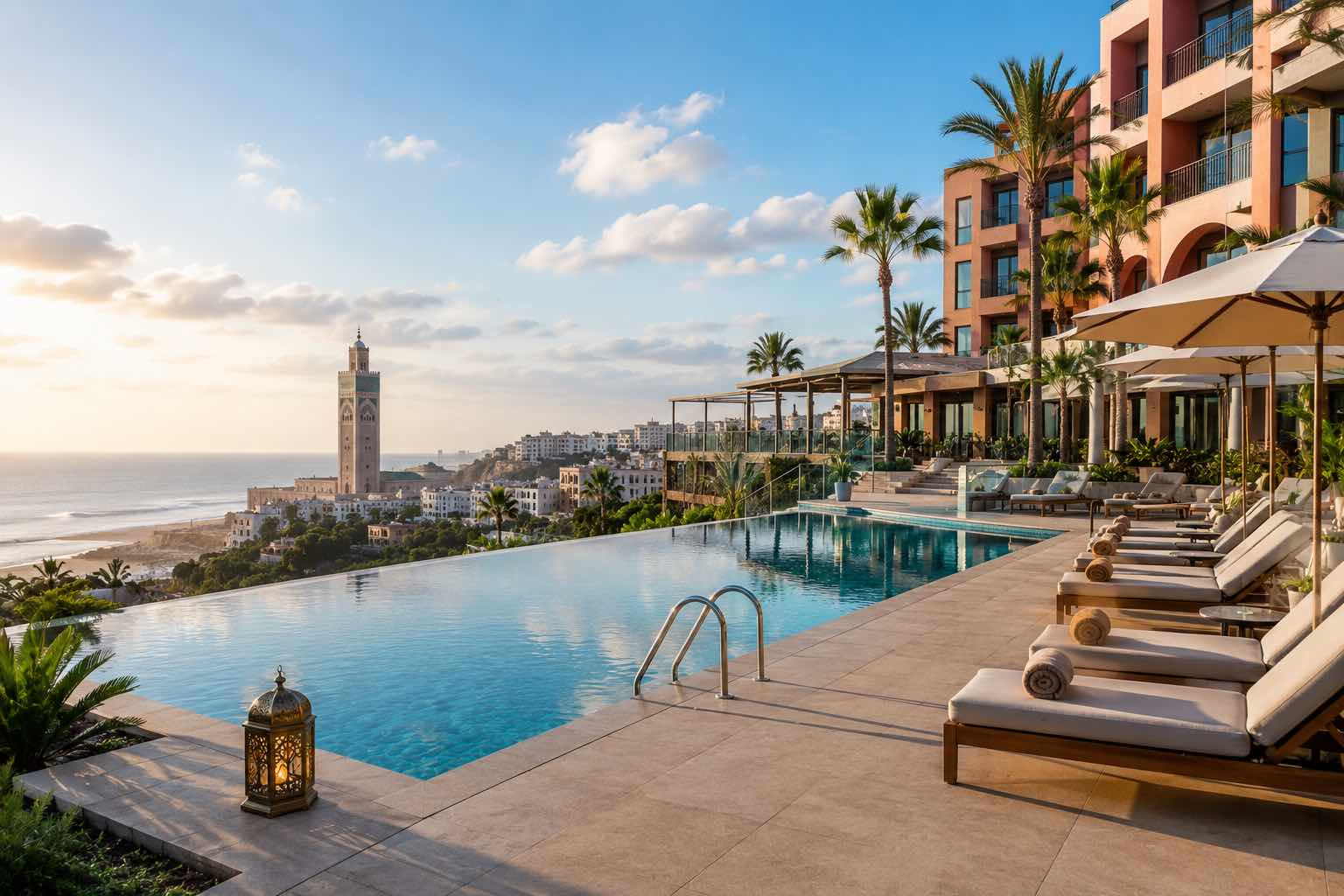
Morocco is stepping up efforts to expand its tourism infrastructure ahead of the 2030 FIFA World Cup, with plans to add 60,000 new hotel beds across the country. The expansion is expected to increase the Kingdom’s accommodation capacity by nearly 20%, helping meet the anticipated surge in international visitors.
The initiative forms part of Morocco’s broader strategy to use the 2030 World Cup as a catalyst for long-term tourism and economic development rather than simply hosting a global sporting event.
According to Tourism Minister Fatim-Zahra Ammor, the investments are designed to leave a lasting legacy for Morocco’s tourism industry. The government aims to develop modern infrastructure that will continue to support the sector well beyond the tournament.
More than MAD 190 billion has been allocated to upgrade key infrastructure projects, including railway lines, highways, airports, stadiums and urban facilities. These investments are intended to improve the travel experience for both international visitors and local residents.
Morocco has already expanded its hotel capacity by approximately 45,000 beds over the past four years, bringing the country’s total to more than 300,000 hotel beds.
The Kingdom welcomed nearly 20 million tourists last year, becoming Africa’s most visited destination. Authorities now aim to attract 26 million visitors annually by 2030 through improved connectivity and an expanded tourism offering.
Future growth will also focus on attracting travelers from high-potential markets such as China, the United States and the Middle East, while continuing to strengthen air links with Europe.
Beyond traditional destinations like Marrakech and Agadir, Morocco is working to diversify its tourism portfolio. Rabat is expected to play a greater role as a hub for cultural events, business tourism and international sporting competitions.
As preparations for the 2030 FIFA World Cup continue, Morocco is positioning itself to strengthen its status as a leading global tourism destination while ensuring that investments made today deliver sustainable benefits for the country’s tourism sector for decades to come.