Morocco continues to see strong entrepreneurial activity, with more than 60,000 new businesses registered during the first seven months of 2026.
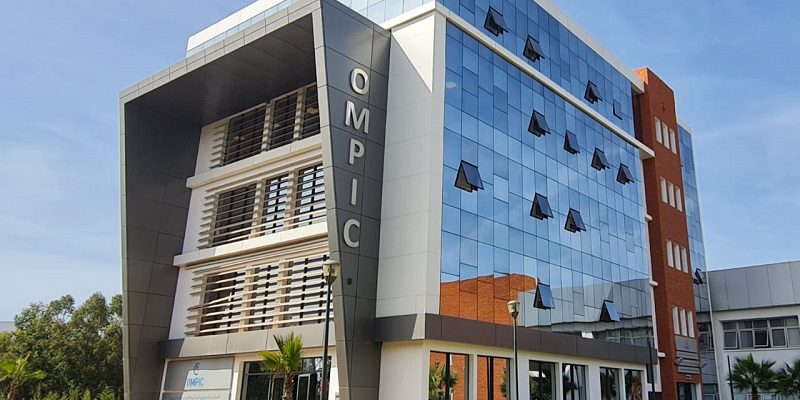
According to the Moroccan Office of Industrial and Commercial Property (OMPIC), a total of 60,908 companies were created between January and July. The figure includes 45,898 legal entities and 15,010 individual businesses.
The data highlights the continued dominance of simplified corporate structures among new entrepreneurs. The single-member limited liability company, known as SARL AU, accounted for 65% of registrations among legal entities.
The standard limited liability company followed with 33.9% of registrations. Together, these two structures represent the overwhelming majority of newly established legal entities in Morocco.
Casablanca-Settat remains the country’s main business hub. The region accounted for 39.3% of newly registered legal entities during the period.
Rabat-Salé-Kénitra ranked second with 14.5%, followed by Marrakech-Safi at 12.3% and Tangier-Tetouan-Al Hoceima at 10.8%.
These four regions alone represented 76.9% of all new legal entities registered across Morocco.
The distribution also reveals the sectors attracting the largest share of new businesses. Trade ranked first, accounting for 27.22% of registrations.
Construction and real estate activities came next with 25.28%, followed by various services at 20.03%. Transport represented 7.63%, while industry accounted for 6.3%.
The geographical picture is somewhat different for individual businesses. Tangier-Tetouan-Al Hoceima led this category with 20.6% of registrations.
Casablanca-Settat followed with 13.2%, while Rabat-Salé-Kénitra accounted for 10.7%.
OMPIC also issued 77,883 negative certificates for commercial names between January and July. This indicator points to continued demand from entrepreneurs preparing to establish new businesses.
The figures underline the growing importance of entrepreneurship in Morocco’s economy. They also highlight the concentration of business creation around the country’s main economic and industrial regions, while showing that commerce, construction, real estate and services remain the main entry points for new companies.