Moroccan industrial company DIMATIT is preparing a new phase of expansion, with nearly MAD 300 million in investments planned by 2030. The programme comes as the company celebrates its 85th anniversary and seeks to strengthen local manufacturing in water infrastructure, agriculture and industrial plastics.
The YNNA Group subsidiary has already committed MAD 150 million in 2026 to acquire new machinery and upgrade its production facilities. The wider investment plan aims to increase manufacturing capacity, introduce new product lines and create more than 150 direct jobs by 2030.
Founded in 1941, DIMATIT has built its industrial activity around piping systems, agricultural films and industrial packaging solutions. Its products serve several strategic sectors in Morocco, including drinking water supply, sanitation, irrigation and infrastructure development.
Water management remains a major focus of its expansion strategy. As Morocco faces growing pressure on its water resources, demand for efficient distribution networks and irrigation systems continues to increase. DIMATIT is positioning its manufacturing capabilities to respond to these requirements.
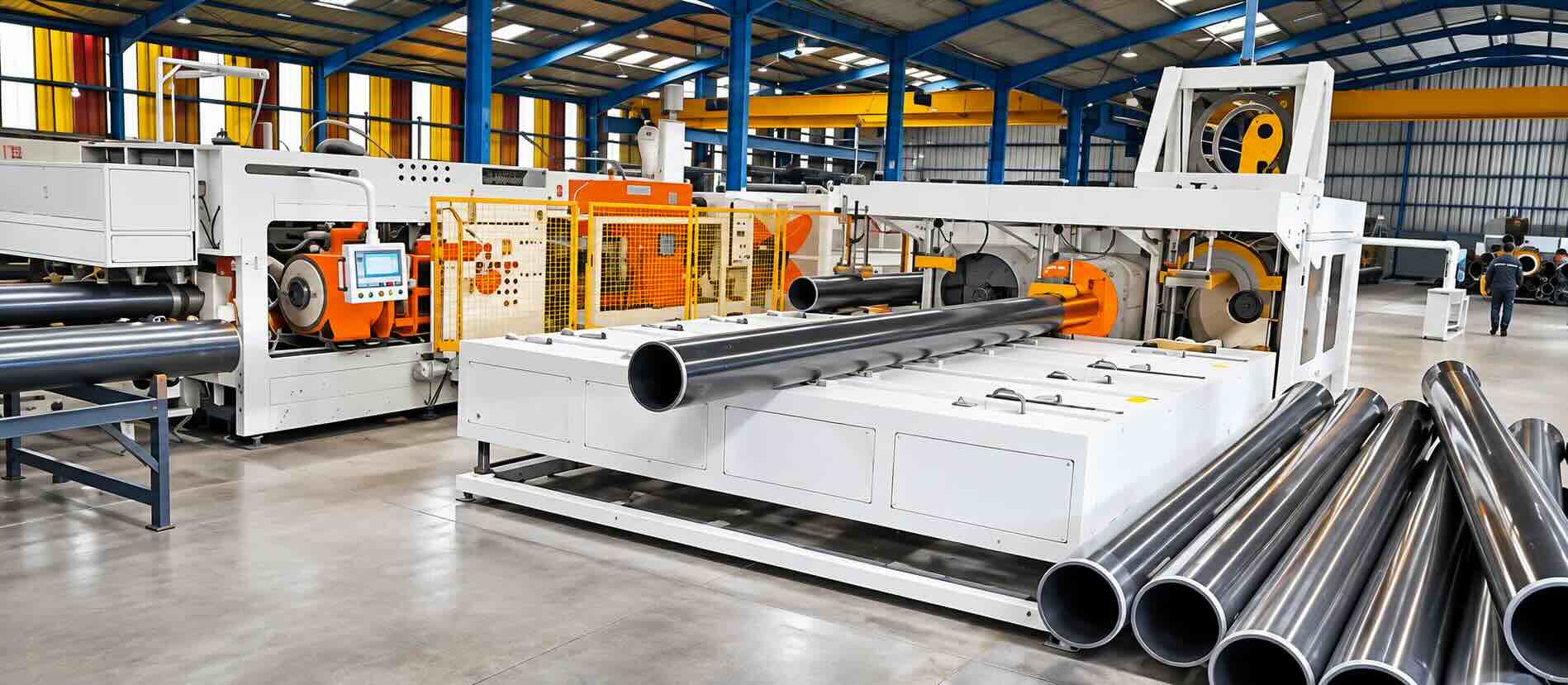
The company has progressively expanded its PVC product range, with diameters reaching 630 mm. It also manufactures structured-wall PVC drainage pipes with SN8 stiffness classification, designed for demanding installation conditions.
Its polyethylene production has also been upgraded. The company has extended its PE product range to diameters of 400 mm and pressures of up to PN 25 bar. In Kenitra, a new production line has doubled its manufacturing capacity for double-wall HDPE pipes.
Agricultural and industrial films are another part of the investment programme. Planned developments include new irrigation solutions, a three-layer agricultural film production line and dedicated equipment for packaging films. DIMATIT also intends to install additional plastic recycling equipment.
These projects are designed to modernize production processes while expanding the company’s ability to supply both domestic and international markets.
“After 85 years of history, our responsibility is to prepare the next 85,” said DIMATIT CEO Tarik Boukhris. He highlighted industrial performance, innovation and the development of Moroccan-made solutions as central priorities for the company’s future.
DIMATIT currently employs more than 450 people across three production sites and several commercial branches. Its portfolio includes PVC, HDPE, double-wall HDPE and fiberglass-reinforced polyester (GRP) pipes, alongside agricultural and industrial films.
The company has also participated in major infrastructure projects in Morocco. These include drinking water supply developments along the Ouarzazate-Skoura corridor, the Tangier-Kenitra high-speed rail line with ONCF, and greenhouse agriculture projects in the Souss-Massa region through its DIMAFILM product range.
With its new investment cycle, DIMATIT aims to increase domestic production, reduce reliance on imported products and strengthen Moroccan industrial expertise. The programme also supports the country’s broader ambitions to develop local manufacturing capabilities in strategic sectors, particularly water management and agriculture.