
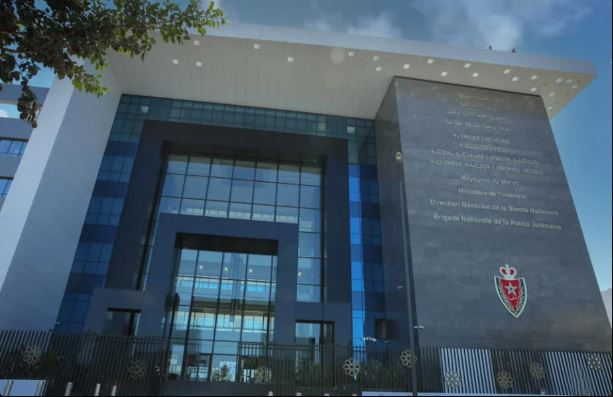
Morocco’s security authorities have moved to dismiss reports circulating online about an alleged breach of their information systems, while warning that fake documents and manipulated images are being presented as genuine security material.
The DGSN and DGST said no intrusion had occurred in their information systems or security databases. According to the joint statement, these systems are protected by stringent cybersecurity standards and are not connected to networks openly accessible through the Internet.
The authorities also addressed personal information that has recently appeared online. Rather than originating from a breach of Moroccan security databases, the data reportedly comes from older databases and information systems operated by insurance companies and organizations involved in social and healthcare coverage.
This distinction is at the heart of the authorities’ response: the circulation of authentic-looking personal data does not necessarily mean that Morocco’s security infrastructure has been compromised.
The DGSN-DGST statement also points to a separate problem involving fabricated material. Images allegedly showing security officials, along with documents purportedly linked to Moroccan security services, have been circulating online.
Several details reportedly expose the material as fake. The authorities cite uniforms and military ranks that do not exist in Morocco or are not used by the DGSN, as well as incorrect visual identities and obvious grammatical errors appearing in some of the documents.
The episode highlights the growing difficulty of distinguishing between an actual cyberattack and manipulated or recycled information circulating online. A combination of genuine but outdated personal data, fabricated documents and altered images can create the appearance of a security breach even when the underlying systems have not been compromised.
Moroccan authorities are now investigating the origin of the material. The investigation is being conducted under the supervision of the competent Public Prosecutor’s Office, with the objective of identifying those responsible for producing, fabricating and distributing what the authorities describe as false information.