Morocco and the European Union have reiterated their commitment to deepening their long-standing relationship, with lawmakers from both sides calling for closer cooperation across political, economic, security, and development sectors.
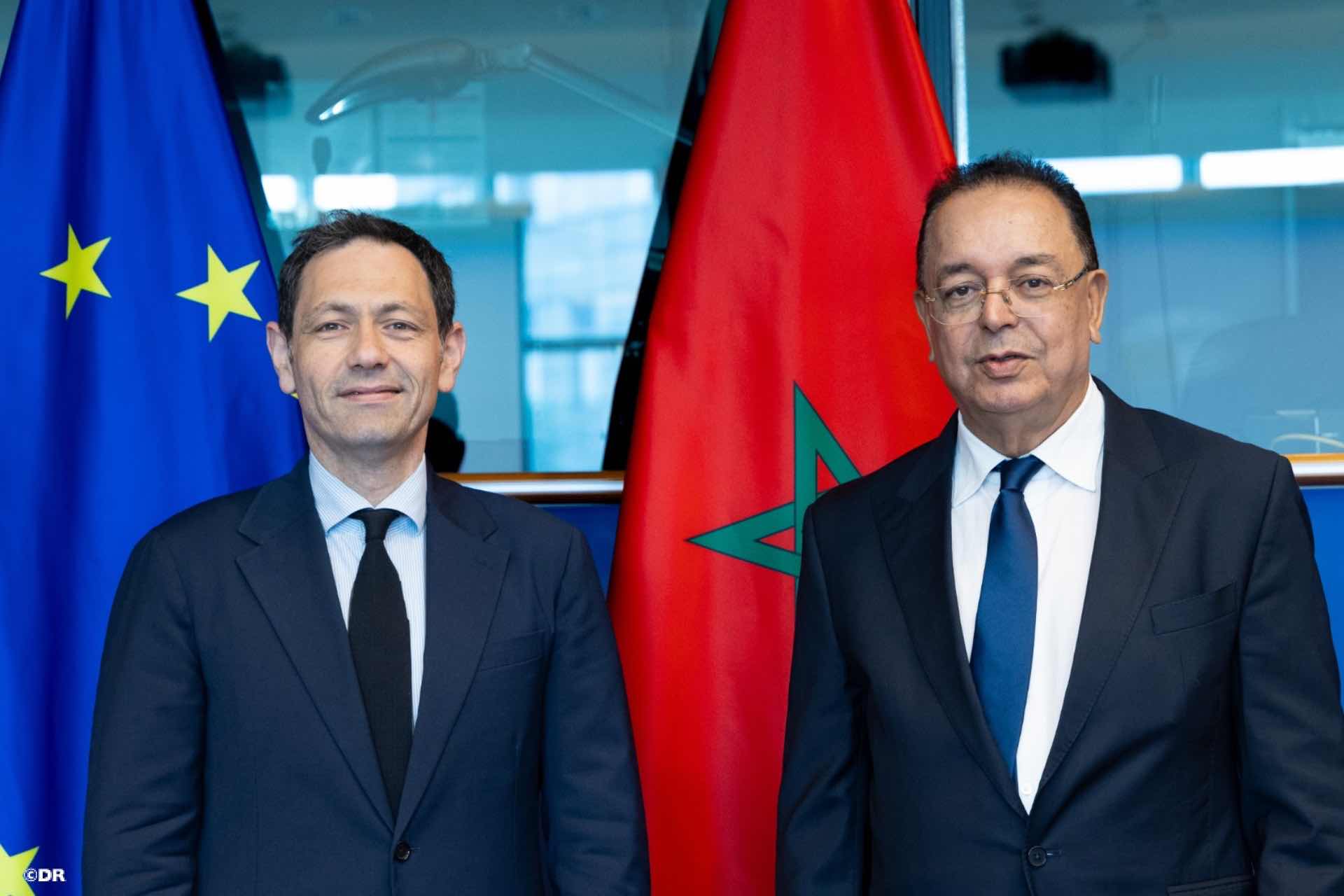
Meeting at the European Parliament in Brussels, members of the Morocco-European Union Joint Parliamentary Committee highlighted the positive momentum currently shaping relations between the Kingdom and the EU. The discussions took place during the committee’s 13th annual session, co-chaired by Lahcen Haddad and Ruggero Razza.
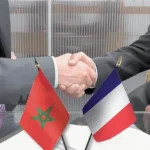
In a joint declaration issued after the meeting, participants emphasized their determination to strengthen what they described as a strategic, multidimensional, and privileged partnership. They stressed the importance of expanding political dialogue, boosting economic integration, enhancing security cooperation, and fostering greater exchanges between citizens on both shores of the Mediterranean.
The committee also underlined the remarkable growth of economic ties between Morocco and the European Union. Since the signing of the Association Agreement in 1996, bilateral trade has increased fivefold, reinforcing the EU’s position as Morocco’s largest trading partner. Lawmakers called for a more comprehensive partnership capable of addressing shared opportunities and challenges across the Mediterranean, Atlantic, and African regions.
Particular attention was given to Morocco’s growing role in regional development and South-South cooperation. Members praised the Atlantic Initiative launched under the leadership of His Majesty King Mohammed VI, which aims to facilitate access to the Atlantic Ocean for Sahel countries and support economic integration, stability, and development across Africa.
The declaration also highlighted Morocco’s emergence as a key industrial and economic partner for Europe. The Kingdom was recognized for its contribution to the resilience of European supply chains, particularly in strategic sectors such as renewable energy, agribusiness, sustainable mobility, and advanced manufacturing.
Energy cooperation featured prominently in the discussions. Participants pointed to Morocco’s significant renewable energy potential and its increasingly important role in the regional energy transition. They noted that initiatives developed under the EU-Morocco Green Partnership and the Pact for the Mediterranean could create new opportunities for joint investment in clean energy projects, electricity interconnections, and low-carbon technologies.
On migration, the committee acknowledged Morocco’s efforts to combat human trafficking networks and reduce irregular migration flows. Members stressed the need for broader cooperation focused on addressing the root causes of migration through inclusive economic growth, social development, and job creation.
The meeting also welcomed the launch of the Pact for the Mediterranean and its Spring 2026 Action Plan, viewing the initiative as a framework for renewing Euro-Mediterranean cooperation based on shared responsibility, mutual benefit, and sustainable prosperity.