Morocco has highlighted the growing role of football in promoting the inclusion of migrants and refugees, presenting the sport as a practical tool for strengthening social cohesion and countering discrimination.
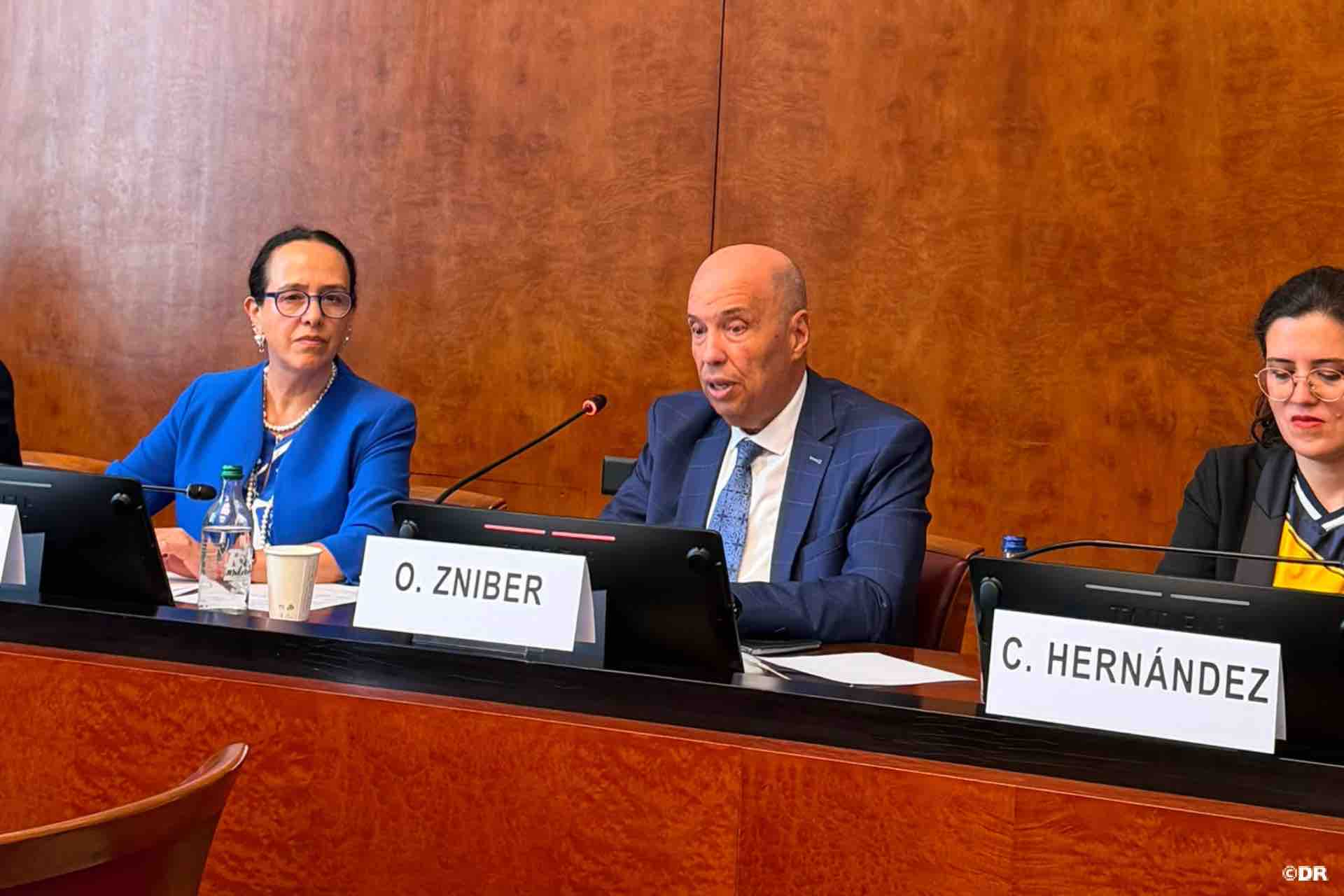
Speaking during a side event held alongside the 62nd session of the United Nations Human Rights Council in Geneva, Morocco’s Permanent Representative to the UN, Ambassador Omar Zniber, emphasized that football can help bridge social divides and foster a sense of belonging among vulnerable communities.
The event, organized by Mexico in connection with the 2026 FIFA World Cup, brought together representatives from several countries and international organizations to discuss how sport can support integration policies and improve the lives of displaced populations.
According to Morocco, football offers a unique environment where differences in nationality, language and legal status become secondary to teamwork, trust and shared objectives. The country argued that participation in sport helps migrants and refugees build social connections, improve well-being and strengthen ties with host communities.
Moroccan officials also pointed to research showing that involvement in sports activities can facilitate both social and professional integration, making football a valuable complement to broader migration and inclusion strategies.
The Kingdom further underlined its commitment to promoting sport within international migration policies through the Group of Friends of Sport and Migration, an initiative launched in Geneva in partnership with the International Organization for Migration. The platform aims to encourage dialogue among governments and support the integration of sport into public policy frameworks.
Looking ahead to the 2030 FIFA World Cup, which Morocco will co-host alongside Spain and Portugal, Moroccan representatives described the tournament as an opportunity to strengthen connections between continents, cultures and generations.
Officials believe the global event can leave a lasting legacy beyond football itself, helping to promote more inclusive societies and positive narratives around migration while encouraging cooperation between communities across borders.
The Geneva discussions gathered representatives from governments, international institutions and human rights bodies, all exploring how football can contribute to solidarity, dialogue and greater social inclusion for migrants, refugees and host populations around the world.