Morocco has reaffirmed its commitment to humanitarian action, emphasizing that the Kingdom’s approach is deeply rooted in the humanitarian vision of His Majesty King Mohammed VI. The message was delivered by Morocco’s Permanent Representative to the United Nations, Omar Hilale, during the International Symposium titled “Multilateral Humanitarian Action at a Crossroads: Challenges and Issues” held in Rabat.
Speaking on a panel dedicated to the relationship between humanitarian action, peace, and sustainable development, Hilale explained that Morocco’s humanitarian policy is built on three complementary principles: active solidarity, shared responsibility, and strict respect for international humanitarian law.
He stressed that protecting civilians, critical infrastructure, and essential public services remains a fundamental obligation that all parties involved in armed conflicts must uphold. Morocco, he noted, has consistently demonstrated this commitment through its active participation in United Nations peacekeeping operations, with thousands of Moroccan peacekeepers serving in conflict zones across the world over several decades.
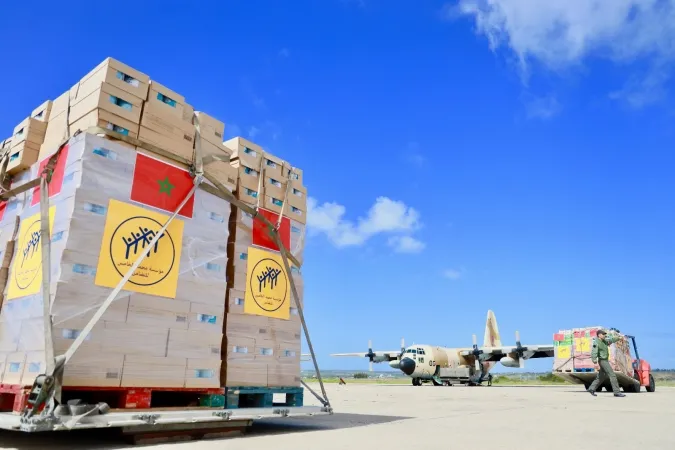
Beyond peacekeeping, the Kingdom has also mobilized rapidly in response to major humanitarian emergencies and natural disasters, reflecting a long-standing policy of international solidarity.
Hilale underlined that Morocco promotes a comprehensive approach to humanitarian action that goes beyond emergency assistance. The Kingdom supports strategies combining humanitarian relief, post-crisis reconstruction, institutional capacity building, and sustainable socio-economic development, with the objective of reducing the risk of renewed instability while creating conditions for lasting peace.
Addressing the challenges facing the global humanitarian system, the Moroccan diplomat pointed to issues such as insufficient financing, limited humanitarian access, the politicization of aid, prolonged crises, and the need to better connect emergency assistance with long-term development goals.
According to Hilale, despite its current limitations, multilateral humanitarian action remains an essential pillar of the international system. He argued that it must evolve through stronger international cooperation, greater emphasis on prevention, closer alignment with peace and development objectives, and renewed global solidarity based on universal humanitarian principles.
He also highlighted Morocco’s experience in mediation, South-South cooperation, human development, and humanitarian assistance as valuable contributions to ongoing international discussions on reforming the humanitarian system.