Morocco is moving ahead with one of Africa’s largest environmental infrastructure projects after approving a $1.5 billion waste-to-energy facility in Casablanca, a development expected to transform waste management while expanding the country’s renewable electricity capacity.
The project will be developed by a consortium led by Swiss-Japanese company Kanadevia Inova, alongside Moroccan energy company Nareva and Japanese trading group Itochu. The partners have signed a concession agreement with the Municipality of Casablanca, with construction expected to begin once financing is finalized later this year.
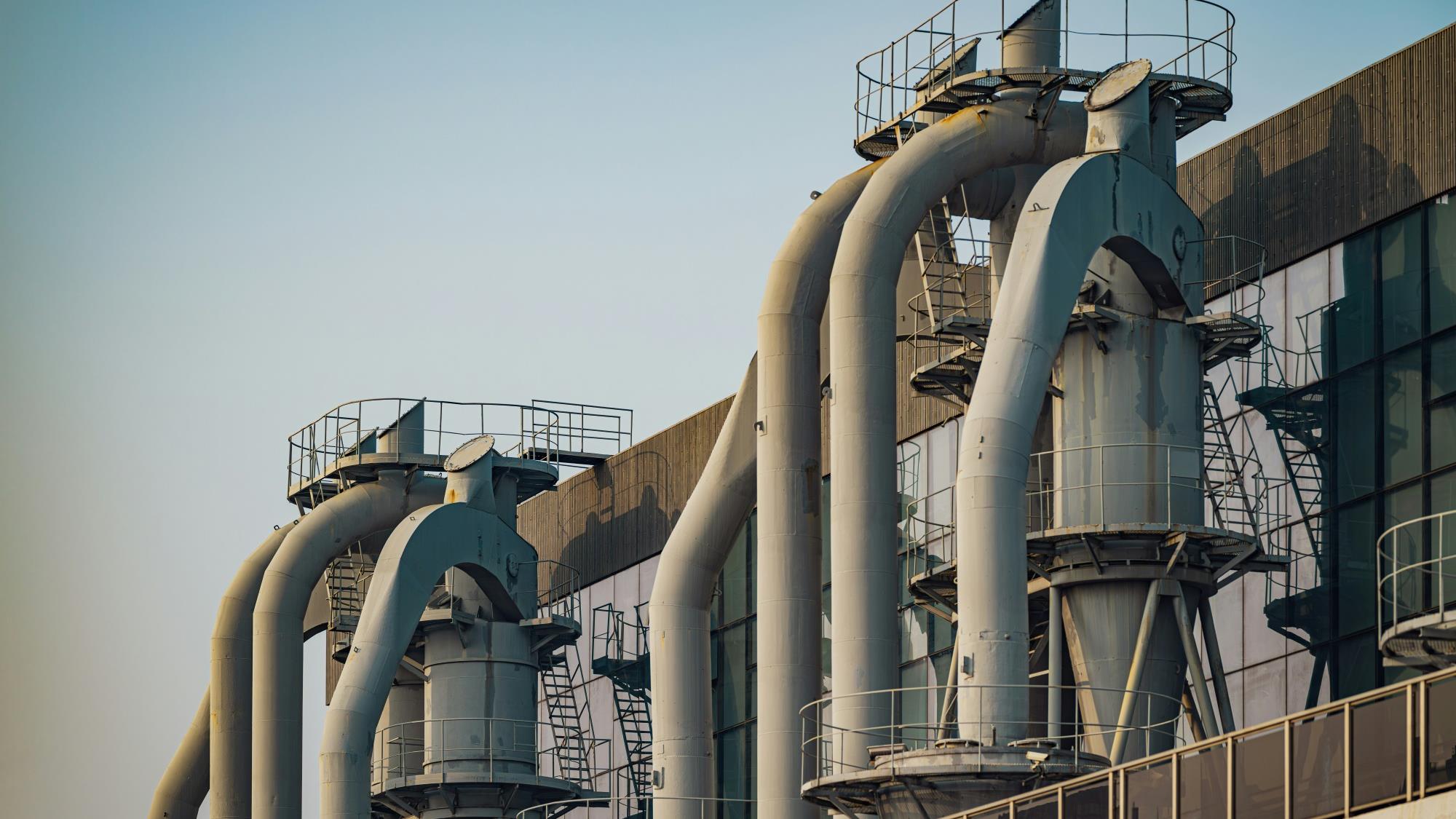
Located near the Médiouna landfill, the plant will become only the second waste-to-energy facility of its kind in Africa. Once fully operational, it will process around 1.5 million metric tons of municipal waste annually while generating approximately 115 megawatts of electricity through a combination of waste, solar energy, and landfill gas. The output is expected to supply power to nearly one million people.
Beyond electricity production, the project is designed to tackle one of Casablanca’s long-standing environmental challenges. The Médiouna landfill has been a major source of odors, pollution, and methane emissions for decades. According to Kanadevia Inova, the new facility could reduce greenhouse gas emissions by an amount comparable to roughly 20% of Switzerland’s annual emissions, an impact the company equates to removing around 300,000 cars from the road.
The plant will be constructed by Moroccan engineering company Somagec. Although the overall construction period is expected to last about three and a half years, waste treatment and electricity generation could begin six to ten months before the project is fully completed.
The consortium has also secured a power purchase agreement with Morocco’s National Office of Electricity and Drinking Water (ONEE). Financing will rely entirely on domestic debt provided by Moroccan lenders, highlighting the role of local financial institutions in supporting the country’s energy transition.
While waste-to-energy technology continues to face criticism from some environmental organizations over concerns about emissions and its potential impact on recycling efforts, Morocco views the Casablanca project as a strategic investment that combines improved waste management with cleaner power generation. As the Kingdom accelerates its sustainability agenda, the facility is expected to play a significant role in reducing landfill emissions while strengthening the country’s diversified renewable energy mix.