
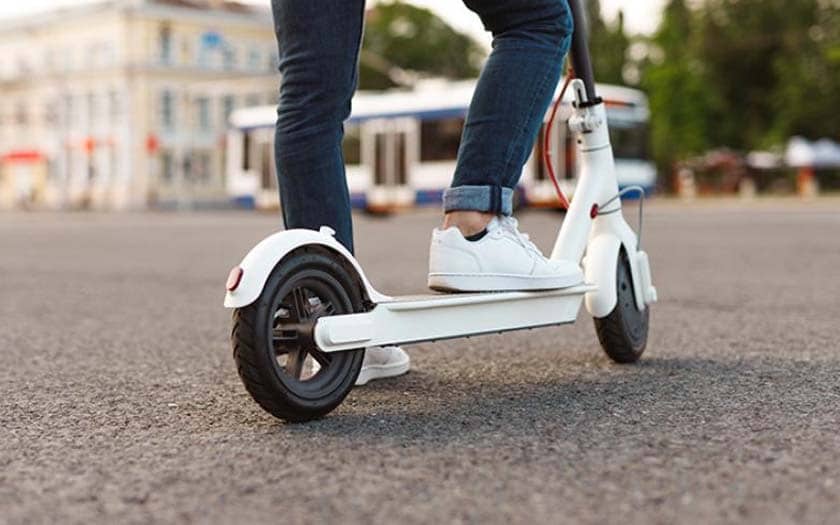
Morocco has officially brought a new regulatory framework for electric scooters into force, introducing clearer requirements for speed, safety equipment and road use as these vehicles become increasingly visible on Moroccan streets.
Published in Official Gazette No. 7537, Decree No. 2.25.145 establishes the main rules applicable to motorized personal mobility vehicles, a category that includes electric scooters. The framework is designed to define how these individual transport devices can be used on public roads.
One of the most important measures is the introduction of a 25 km/h maximum speed. The regulation defines the vehicles concerned as seatless devices designed to carry one person, without equipment intended for transporting goods. Their designed speed must be above 6 km/h while remaining within the 25 km/h ceiling.
Safety requirements have also been strengthened. Riders are required to wear an approved helmet that is properly fastened. The same obligation applies to users of bicycles, electric-assistance bicycles, tricycles and quadricycles.
The rules become more restrictive outside built-up areas. Electric scooters may only be used there when dedicated facilities for cyclists are available, effectively limiting their circulation on roads where no suitable cycling infrastructure exists.
The new framework also confirms that electric scooters are intended for individual mobility rather than carrying loads. Users are therefore prohibited from towing a trailer or pushing or pulling a load or another vehicle.
Technical requirements are being introduced alongside the circulation rules. A second decree provides for equipment including a white front light, rear lighting, reflective devices and an audible warning system. However, these technical obligations will only become applicable after a six-month transition period, giving manufacturers, retailers and users time to adapt.
The distinction between the two stages is important: the principal traffic rules are already effective following publication in the Official Gazette, while the technical equipment requirements benefit from the additional six-month period.
For Moroccan scooter users, the new framework therefore changes the conditions of everyday mobility, particularly regarding speed and protective equipment. It also places greater emphasis on dedicated cycling infrastructure and on keeping electric scooters strictly within their role as single-person transport devices.
The measures provide Morocco with a clearer legal framework for a mode of transport that has expanded rapidly in urban areas, while establishing requirements intended to improve road safety and regulate how these vehicles share public space with other road users.