Moroccan and French tourism stakeholders are calling for a more structured and accessible mountain tourism offering. The objective is to strengthen the sector’s sustainability while creating new economic opportunities for mountain communities.
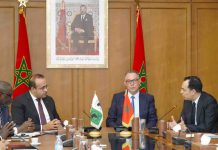
The appeal was made Wednesday in Lyon during the first edition of the Moroccan-French Mountain Meetings. The event brought together representatives of Morocco’s Ministry of Tourism and Handicrafts, institutional partners and tourism professionals from both countries.
Discussions focused on developing mountain areas as destinations for tourism, cultural experiences and local economic growth. Participants explored opportunities for cooperation in professional training, accommodation, territorial planning and destination promotion.
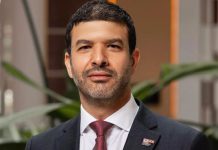
Benoît Robert, director of Cluster Montagne, a French network of mountain tourism stakeholders, highlighted Morocco’s growing interest in this segment.
“Mountain tourism is becoming increasingly popular in Morocco,” he said, noting that the Kingdom is seeking to expand beyond the development of its coastal destinations.
According to Robert, Morocco benefits from exceptional mountain landscapes and rich cultural heritage. He also pointed to improvements in infrastructure and mountain roads, which are making these areas more accessible to visitors and investors.
Participants stressed that mountain destinations can no longer depend exclusively on hiking, nature and sporting activities. They must offer more diversified and immersive experiences that respond to changing visitor expectations.
The discussions addressed three main themes: local development and job creation, innovation in mountain tourism, and partnership opportunities between Moroccan and French stakeholders.
The meeting also highlighted the potential for closer cooperation between the two countries. Philippe Meunier, vice-president of the Auvergne-Rhône-Alpes Regional Council, welcomed the progress made in tourism relations with Morocco. He called for stronger exchanges and greater sharing of expertise.
Diversification emerged as a key priority. Mountain destinations could expand their offerings through gastronomy, wellness, handicrafts, cultural discovery, agritourism and immersive activities.
Such an approach could help attract new visitor segments, extend tourist stays and distribute economic benefits more widely across local communities.
The Moroccan-French discussions took place partly in the Oisans massif, in France’s Auvergne-Rhône-Alpes region. They reflect a shared interest in developing mountain tourism through cooperation, innovation and sustainable territorial planning.